
Quick Guide on How to Maintain Your Water Softener
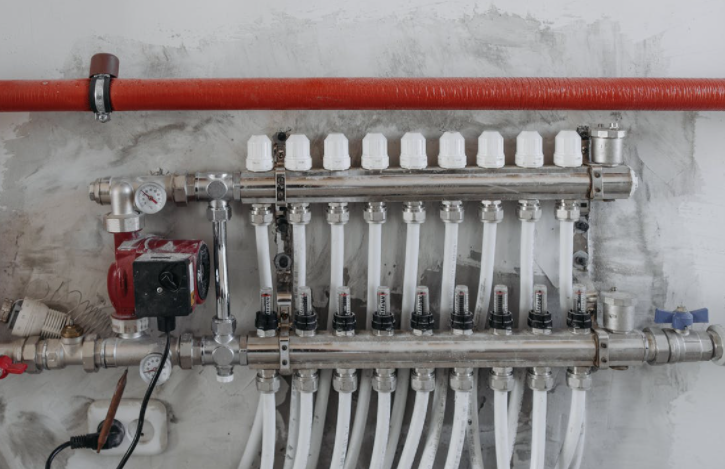
Many Americans take water for granted in America. They don’t even consider its other attributes, except that it is wet. Most people have to deal with water hardness, one of its least appealing characteristics. Water hardness is caused primarily by high minerals like calcium and magnesium, along with traces of other metals that dissolve naturally. Water softener systems, which are often overlooked, are the best way to solve this problem. You can find out more about this system at the caughtonawhim.com website. They do the job, allowing water to enter its hardness, regeneration time parameters, and replenishing salt. They can be made more efficient and last longer by following simple steps.

Remove and Prevent Any Salt Bridges and Salt Mushing
Salt bridges are the hard crust that forms in brine tanks and prevents salt from being dissolved in water. Resin beads can’t soften the water if there isn’t brine. High humidity, temperature changes around the water softener, or the wrong kind of salt can all lead to bridging. Salt bridges can be created when salt seems complete, but the salt tank is still hard.
Salt mushing is a more severe problem than the first. This happens when dissolved salt recrystallizes to form a slime at the bottom of the brine tanks. This thick salt layer blocks water flow and prevents water from regenerating. Salt mushing is the reason for a salt bridge appearing in water tests. You can fix the problem by draining the softener water, scooping out the salt, and refilling it with new salt.
Choose the Type of Softener Salt Carefully
 There are three types of water softeners available: solar, rock, and evaporated. Rock salt with high levels of insoluble minerals/impurities is the most economical. This can lead to a muddy tank over time. It will reduce the effectiveness of the water softener and leave impurities in water. The evaporation and formation of solar salt from seawater can result in a salt that dissolves quicker than rock salt. It is available in crystals and pellets.
Combining mining and evaporation produces evaporated salt, which is the best option. At 99.99% sodium chloride, it is the purest type of salt. It is better to use high-purity salts, which leave less residue in storage tanks. This will make it less susceptible to salt bridges and salt mushing and reduce the need for maintenance. High-quality salts can eliminate bridging problems, as can salt in pellet form.
Clean the Resin Beads Regularly
 Resin beads are often recharged with salt, but it is a good idea to clean the resin beds once a month using a water softener cleaner to keep them in tip-top shape. A water softener that has been used for a long time can accumulate pollutants such as iron, heavy metals, silt, and organic compounds. This can cause it to lose its effectiveness. This will reduce the rate at which ineffective resin is formed. To do this, pour the recommended amount of water softener cleaner into the brine and then manually regenerate the system. During the normal water softening cycle flushing, the cleaner is released. This will allow the resin to remain clean and absorb maximum calcium and magnesium throughout its lifetime.

